FR DLCI Drill #2
Feel the need to work through how Frame Relay DLCIs work? This is a way to apply those ideas and prove you know how DLCIs really work. Now that I’ve posted the first drill of this type, I’ll keep the instructions on this one short. Short version: I’ll give some a little FR documentation, and you tell me other facts about the FR network: global DLCIs, local DLCIs, and what DLCIs sit in the FR headers as the frames pass through the FR network. Check out the first one in the series for a little more background.
All the drill start with a figure, in this case figure 1. It uses either local or global DLCI conventions, and it is accurate. In other words, I’m not trying to trick you by giving you wrong info.
Figure 1 – Initial Documentation, FR Drill 2
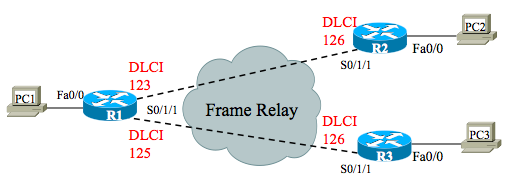
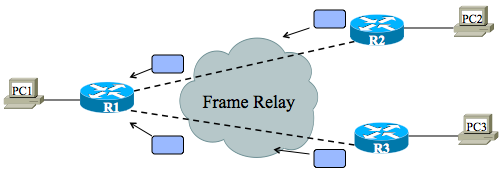
Your job: decide if Figure 1 shows local or global DLCIs. Then draw a new figure, showing the other style of DLCIs (if possible). Then show the DLCIs that will be in the headers of the Frame Relay frames shown in Figures 3 and 4. That’s it! The following list summarizes the steps, and numbers them for easier reference when I show the answers. Also, if you feel like you want more info about what to do, check out that first FR DLCI drill.
- Does the supplied figure show local DLCIs, global DLCIs, or is it impossible to tell?
- Create a new figure. If Figure 1 listed local DLCIs, list global DLCIs on the new figure, or vice versa.1
- Think about Frame Relay frames going left to right in Figure 3. List the DLCI(s) that will exist in each FR header, going into the FR network and exiting the FR network.
- Think about Frame Relay frames going right to left in Figure 4. List the DLCI(s) that will exist in each FR header, going into the FR network and exiting the FR network.
1Note that if Figure 1 lists local DLCIs, it may not be possible to list global DLCIs, depending on whether the example uses DLCIs that support the global DLCI assignment strategy.
Figure 3 – Predict DLCIs in the Header: Left to Right
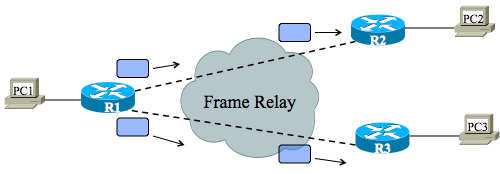
Figure 4 – Predict DLCIs in the Header: Right to Left